
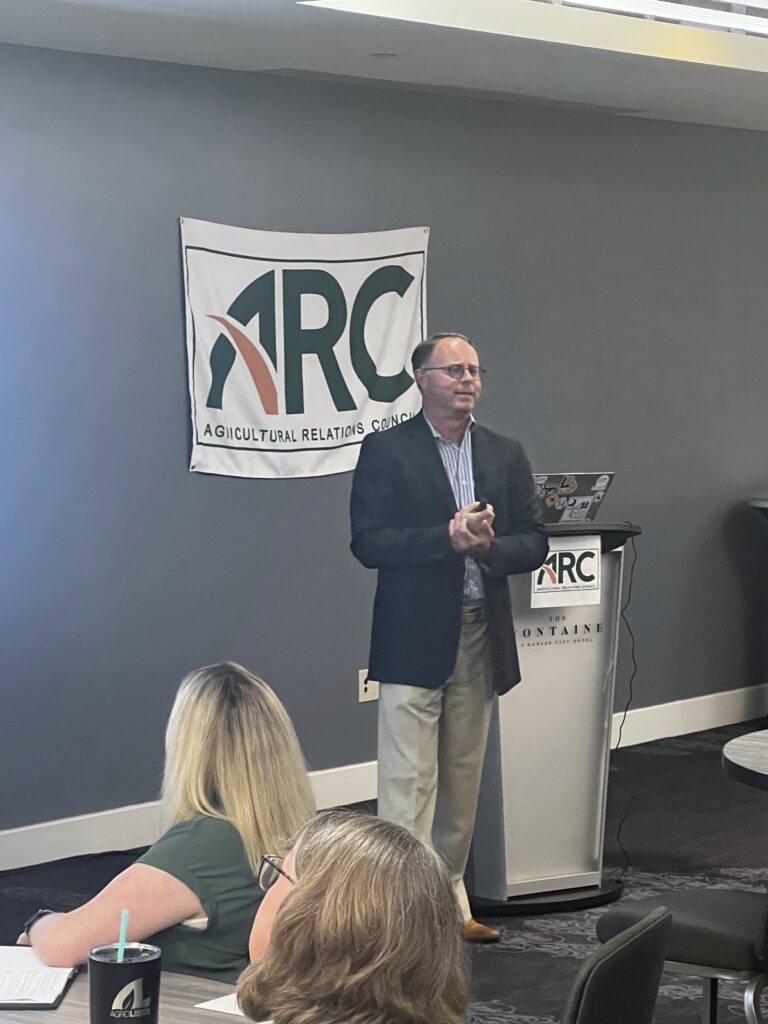
Thank you ARC planning committee, sponsors!
By Lori Hallowell, ARC President
This year’s ARC Annual Meeting was one for the record books. From speakers who stretched us, getting to know first-time attendees and re-connecting with friends, it was inspiring. I’d like to once again thank the meeting planning committee: Janice Person, Erin Nash, Deron Johnson, Laurie Langstraat and Brandi Buzzard. I’d also like to thank Stephanie Moore for leading the charge on our Ag PR Hall of Fame inductee selection and ceremony. Additionally, I’m appreciative of the many sponsors who stepped up and helped us financially, even in this challenging ag economy. I’d also like to thank the Corner Window Communications team for all they did behind the scenes.
Now we shift our sights to 2026 and will be carefully evaluating your post-meeting survey input as we plan for next summer. We’ll do our best to get the location and dates set soon so you can make plans to attend next year’s ARC Annual Meeting. In the meantime, please reach out to me (lhallowell@bader-rutter.com) if you have other suggestions.
Enjoy the rest of your summer!
Celebrating a legacy: ARC inducts Bob Giblin into Agricultural Public Relations Hall of Fame
By Stephanie Moore, ARC Board Member
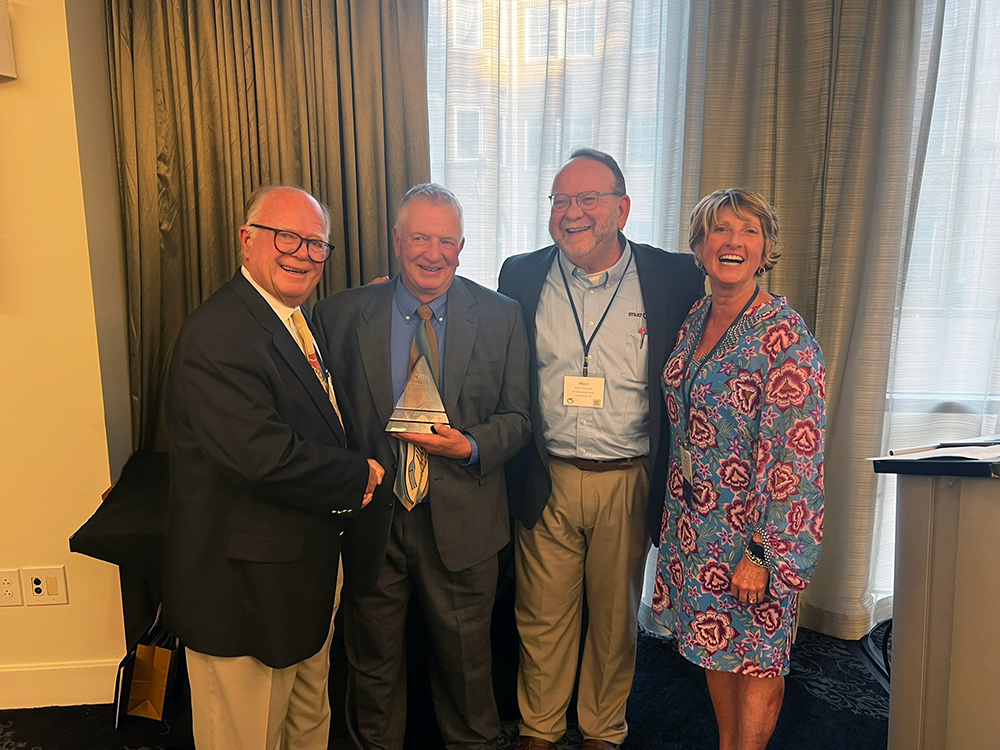
On June 24, during the 2025 Agricultural Relations Council (ARC) Annual Meeting in Kansas City, Mo., Bob Giblin, APR, was formally inducted into the Agricultural Public Relations Hall of Fame. Giblin’s induction, sponsored by AgriMarketing Magazine, recognized more than four decades of leadership, strategic acumen and research prowess in agricultural communications. From his early days as a U.S. Army journalist to his roles in corporate, agency and nonprofit sectors, Giblin’s career has been defined by a deep commitment to advocating for the agricultural community.
A ceremony full of heart
The evening was filled with stories, laughter and admiration from colleagues, friends and mentors. Gary Myers, a longtime collaborator and early partner at MorganMyers, recounted Giblin’s pivotal role in integrating market research into client programs. “Bob’s insistence on solid data and reliable insights led to more effective strategies and measurable outcomes,” Myers said. “Client satisfaction soared and prestigious industry awards became commonplace.”
Mace Thornton, partner and COO at Stratovation Group, praised Giblin’s ability to distill complex agricultural issues into compelling narratives. “His work has not only educated but also influenced key stakeholders,” Thornton noted, highlighting Giblin’s impact on public discourse around agriculture.
The ceremony also reflected on Giblin’s leadership within ARC itself. At a time when the organization faced dwindling membership and uncertain direction, Giblin stepped forward. His strategic vision helped revitalize ARC, growing its membership and reaffirming its role as the premier association for agricultural PR professionals. Den Gardner of Gardner & Gardner Communications summed it up best: “If there were five Bob Giblins in every association, you knew you were going to be moving in the right direction.”
A career full of impact
Giblin’s contributions span a remarkable range of initiatives:
- He led groundbreaking research for Philip Morris and the American Farm Bureau Federation, revealing that consumers trusted farmers far more than farmers believed.
- He helped Asgrow Seed Company shift from traditional push-through marketing to a consumer-driven pull-through strategy.
- He played a key role in launching the first global conference on sustainable beef, supported by Merck Animal Health.
- He served in the Center for Disease Control’s Emergency Operations Center during the Ebola response, conducting a comprehensive assessment of health communications in West Africa.
- He volunteered internationally through consulting on projects for the John Ogonowski and Doug Bereuter Farmer-to-Farmer Program, supporting agricultural development in Guatemala and Colombia.
An honoree full of passion
In his own remarks, Giblin reflected on the people who “packed his parachute” – mentors, colleagues and family who supported him throughout his professional journey. He spoke of the power of teams, the importance of passion and the joy of doing meaningful work. “You can’t teach passion,” he said, “but you can cultivate it, nurture it and encourage it.”
The evening concluded with a champagne toast from Greg Ehm of MorganMyers, honoring Giblin as a champion, an architect of strategy and a mentor to many. “From shaping the future of agricultural communications to guiding responses during national crises, Bob has left an indelible mark on our profession,” Ehm declared.
ARC celebrates excellence at 2025 Golden ARC Awards in Kansas City
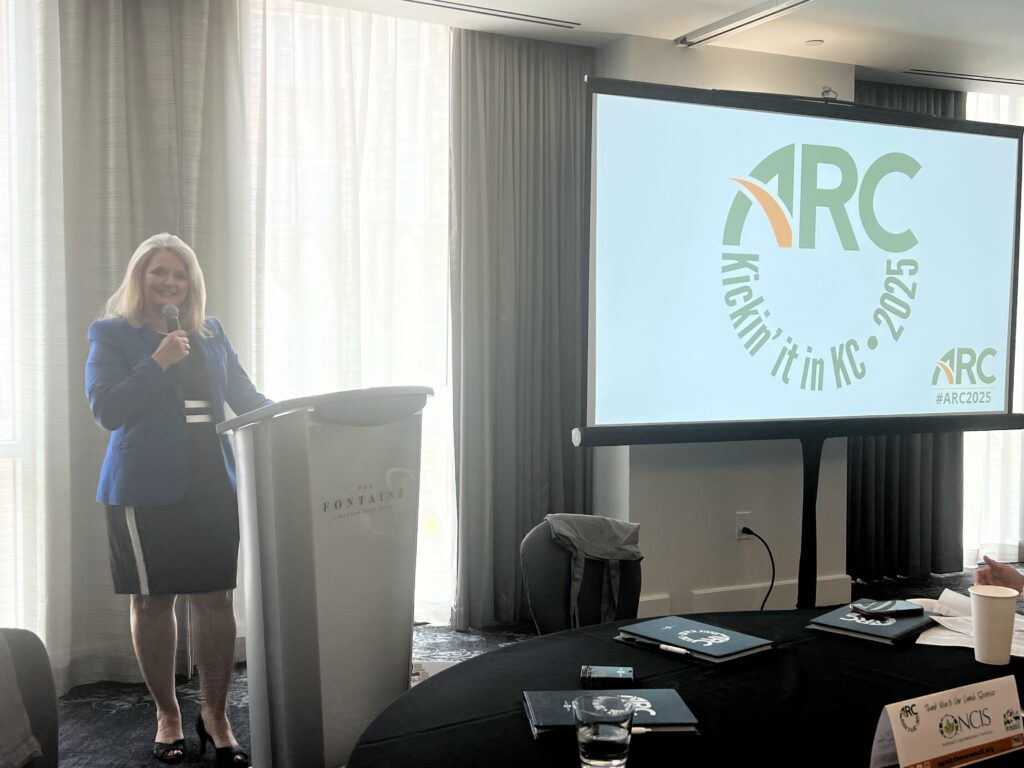
The Agricultural Relations Council (ARC) applauded outstanding achievements in agricultural public relations during its Golden ARC Awards ceremony on June 24, at The Fontaine in Kansas City, Mo. The event served as a highlight of this year’s ARC Annual Meeting.
Launched in 1990, the Golden ARC Awards are widely recognized as the industry’s top honor for excellence in agricultural public relations. Entries for the 2025 contest, showcasing campaign and tactical public relations work completed in 2024, were judged across numerous categories – spanning full-scale public relations campaigns to specialized tactics.
“The judges are continually impressed by the depth of strategy, creativity and measurable impact demonstrated across this year’s entries,” said Kristy Mach, ARC executive director.
2025 Golden ARC Award highlights
- Golden ARC de Excellence Award: This year’s top honor went to MorganMyers, a G&S agency, for their impactful entry, “WE ARE THE 96: ONE NUMBER, ONE MESSAGE, ONE MOVEMENT.”
- Top winning agencies:
- Meyocks led the field with 11 awards.
- Curious Plot, OBP Agency and Bader Rutter followed closely, with five awards each.
- Other notable winners include Kansas Farm Bureau, Cultivate, G&S Business Communications, American Farm Bureau Federation and MorganMyers.
In future ARC newsletters, winning entries will be featured. Learn about effective public relations tactics, strategies and campaigns – from brainstorming ideas to fine-tuning of copy writing to event execution to data analysis.
ARC awards $1,500 scholarship to Cole Baerlocher
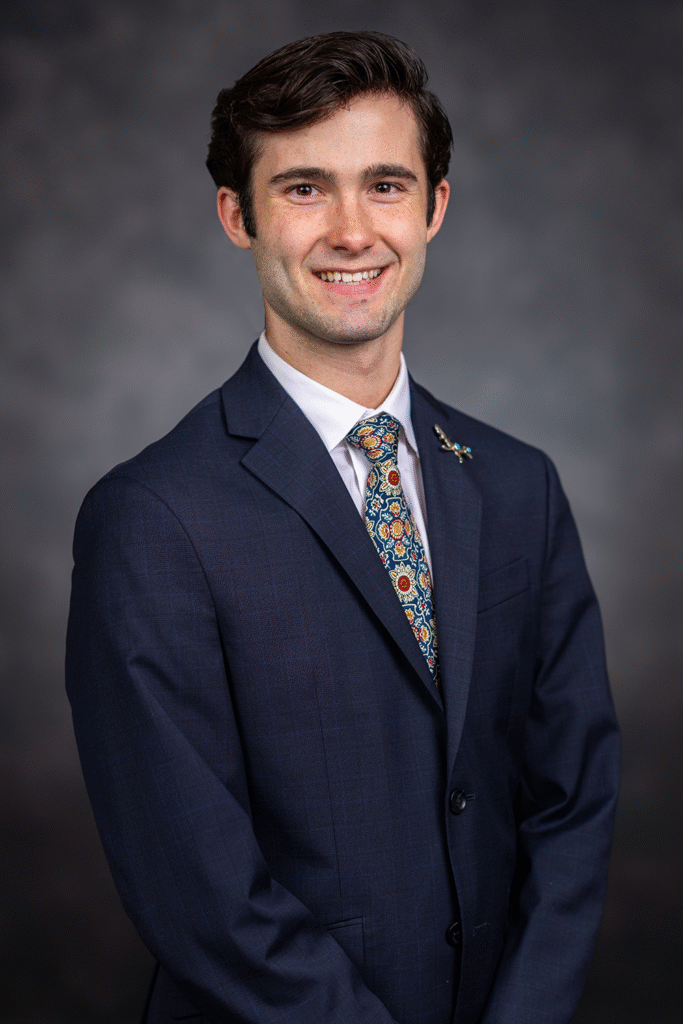
The 2021-2022 National FFA president, Cole Baerlocher garnered the ARC/C.O.nxt Scholarship. This $1,500 scholarship is open to undergraduate college students pursuing a career in agricultural communications/public relations, who have interest in working for an agribusiness company, marketing communications agency, national/state/regional commodity or general farm organization, or other entity that promotes agriculture. Lyle E. Orwig, founder of Charleston|Orwig (rebranded as C.O.nxt), generously funds this scholarship, through the endowment he set up with the ARC Foundation.
A native of Colfax, Wash., Baerlocher plans to graduate from Texas A&M University in December with a bachelor’s degree in agricultural communications and journalism and a minor in international agricultural development. In addition to his collegiate studies and his extra-curricular activities, which include Men’s Society, College of Agriculture & Life Sciences Student Council, National FFA Alumni & Supporters Advisory Committee, Muster Committee Host, Fish Camp and Aggie ACHIEVEMates, Baerlocher completed two internships. He worked as the National Farmers Union policy intern and Vivayic inc. Learning Solutions intern. Currently, he is a student writer for Texas A&M AgriLife Extension.
Baerlocher’s initial career goal is to promote policies that support rural communities, uplift farm and ranch families, and encourage youth to pursue careers in agriculture. “My internship this past summer in Washington, D.C. ignited my interest in pursuing a career as a communications staffer for an elected official or a congressional committee,” he stated. “This career represents a balance between my passions for public service and production agriculture.”
Raised on his family’s third-generation wheat and cattle operation, Baerlocher developed a strong affinity for the men and women who put in the work to feed, clothe and house countless people domestically and internationally. “My time as an Aggie (Texas A&M student) has shown me the value of advocating for the unheard voices of America’s heartland,” he remarked. “This has strengthened my confidence and ability to effectively communicate impactful messages that inspire powerful action.”
Through his academic and professional journey, Baerlocher honed his written and verbal communication skills to effectively engage diverse audiences. He has written articles for agricultural publications – covering numerous topics, including legislative updates, rural economic development and farmer success stories. Furthermore, Baerlocher developed strong verbal communication skills through public speaking engagements, including policy briefings and panel discussions. “These experiences have equipped me with the ability to convey complex agricultural concepts in an accessible manner – a skill I believe is essential for industry professionals today.”
Chinn shares importance of family in agriculture
By Laurie Langstraat, ARC Board Member
Chris Chinn, director for the Missouri Department of Agriculture, kicked off the ARC Annual Meeting, held June 24-25 in Kansas City, Mo., as the opening speaker. She shared her personal background as a fifth-generation farmer, highlighting the importance of family in her agricultural journey. She spoke about her children, Connor and Rochelle, who are both involved in production agriculture. Chinn mentioned her daughter’s attempt to diversify the family by becoming a nurse, only to end up marrying a farmer and continuing to contribute to the family farm. She proudly stated, “The most important thing that we raised on our family farm is our two children, Connor and Rochelle.”
Chinn discussed her role as the director of agriculture, a position she never sought but has held for nine years. She expressed gratitude for the support of her family and the 350 people at the Missouri Department of Agriculture who have become her extended family. She noted, “Most of the people who work in our department are connected to agriculture. Either they were born and raised on a farm, or they live and work on a farm.”
Chinn highlighted the challenges faced by the agriculture industry, including droughts, floods, low commodity prices and high input costs. Also, she discussed the impact of false news reports on the agriculture market, specifically mentioning a recent incident involving New World screwworm. She explained that, the day after Memorial Day, there was a false news report stating that New World screwworm was found in cattle in Missouri. “It was only live on the internet for about five minutes, we’re told, but it had a devastating impact on cattle markets all across the United States,” said Chinn.
After verifying with the Missouri state veterinarian and U.S. Department of Agriculture to make sure that no, there were no cases of screwworm in the state, or anywhere in the United States, the department sent out a press release setting the record straight.
However, the false news report had a devastating impact on the markets, causing a $10 swing in the cattle market that day with total estimates of $250,000 to $500,000 in losses.
Chinn also shared the challenges faced during the highly pathogenic avian influenza outbreak last December, which required the depopulation of millions of birds. She praised her team’s hard work and coordination with federal agencies to manage the crisis. Chinn also expressed hope for the future, stating, “Thankfully, all of the farms that had to do the depopulation have been cleared for cleaning and disinfecting, and they’re either repopulated now or they’re getting ready to repopulate as we speak.”
Chinn highlighted the success of the Missouri State Fair and the importance of showcasing agriculture to the public. She mentioned the “Drive to Feed Kids” initiative, which involves packing meals for those in need and teaches youth about the significance of agriculture. “We bring in FFA members and we get donations from ag businesses that provide the food,” Chinn explained. “Last year, we packed nearly 40,000 meals in one day with 800 students.”
Chinn said that this activity teaches youth in agriculture what it really means to be involved in agriculture, giving back, paying it forward and making sure that we’re helping others.
Chinn concluded her speech by addressing various questions from the audience, including the impact of Prop 12 on pork production, the status of foreign-owned agricultural land in Missouri, and the challenges posed by activism in the agriculture industry. She emphasized the need for farmers and ranchers to tell their stories and educate the public about the realities of agriculture. She stated, “Our biggest threat is the fact that we don’t have enough farmers and ranchers out there telling the story and activist groups are trying to tell their version of OUR story.”
Let’s spend some TIME with Tim…
By Erin Nash, Curious Plot and ARC Board Member
Tim Brennan, vice president of programs & strategic impact with Farm Foundation, joined us at the 2025 Agricultural Relations Council (ARC) Annual Meeting, June 24, in Kansas City, Mo. He shared thoughts on “Understanding the New Realities of American Agriculture” and how, in his role at Farm Foundation, he listens, plans and acts to help farmers best position themselves for the ag landscape of the future.
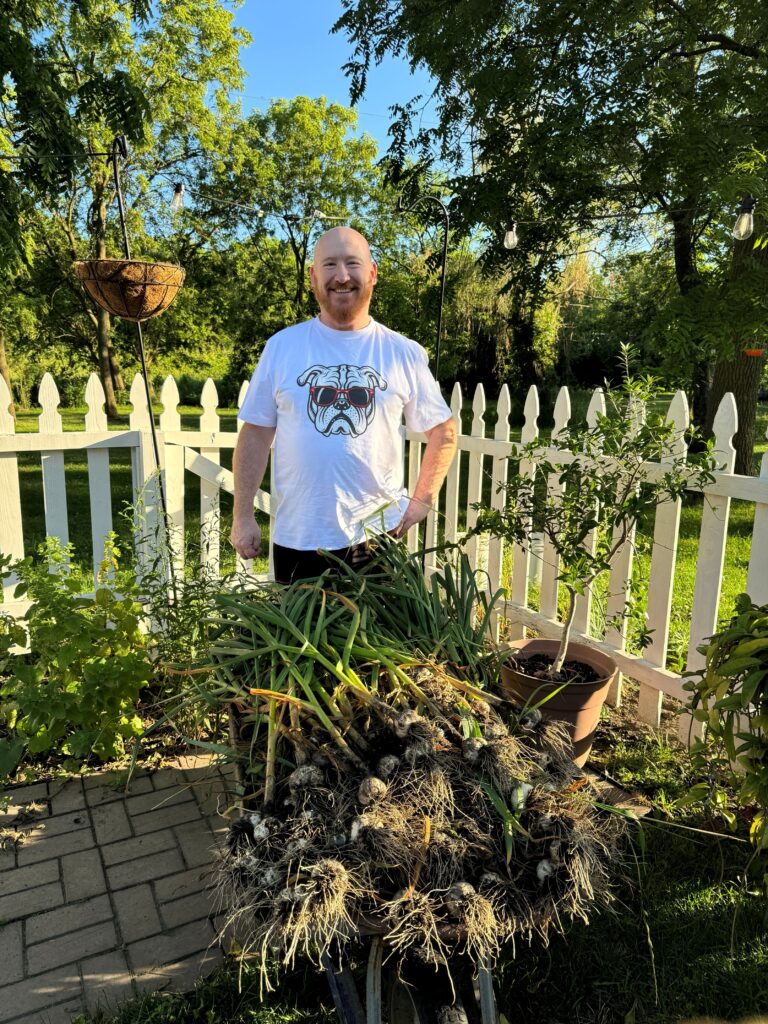
Brennan grew up on a small farm in northeastern Ohio and earned a bachelor of arts degree from Westminster College. Before his role at Farm Foundation (which he began in May 2013), he worked at the University of Chicago in a variety of roles at the Booth School of Business and the UChicago Law School. Brennan also served as the director of alumni relations and marketing for Northwestern University’s School of Law. He currently lives on a hobby farm in the Chicagoland area (where, as you can see, he grows garlic and lots of other fruits, nuts and veggies!).
To summarize his thoughts from his ARC presentation, let’s spend a little more TIME with Brennan.
What are some TIDBITS about you and your role at Farm Foundation that you’d like to drive home with ARC members?
I love agriculture. I think I planted my first crop (cucumbers) when I was 4 or 5 years old. I feel like the luckiest person in the world, getting to work with all the incredible folks, from farmers to retailers, to build a better future for everyone.
How do you IMAGINE your position and the role of Farm Foundation in agriculture in five years? In 10 years?
I believe agriculture will undergo significant shifts over the next decade. Over the next five years, I anticipate devoting considerable effort to key drivers, including crop diversification, value-added opportunities and new farmer education programs. A decade from now? Heck, I hope I’ll be retiring and working on my farm full time!
What is something you’ve learned in your role at Farm Foundation that caused you to MARVEL?
Without a doubt, I marvel all the time at the strength and perseverance of farmers. From market downturns to natural disasters and beyond, these individuals consistently persevere. Every new year presents them with an opportunity to do better and they take it with gusto and optimism.
What is the best way for ARC members to ENGAGE with Farm Foundation?
One of the most exciting ways to engage with Farm Foundation is at our new Innovation and Education Campus in Libertyville, Ill. The campus, situated approximately 25 miles north of O’Hare International Airport, is central to our mission of fostering trust and understanding at the intersection of agriculture and society. We cultivate a diverse range of crops, including corn, soybeans, peanuts and Kernza. We also demonstrate a range of production innovations and 10 different types of regenerative soil health practices. ARC members can visit, host meetings on campus or participate in our programs, like our Ag Bootcamps.
Farm Foundation is a 501(c)(3) non-profit working across the food and ag value chain to build momentum behind meaningful solutions to some of the most important challenges facing farmers and, by extension, the ag industry as a whole. Learn more at https://www.farmfoundation.org.
Elevating the voice of animal agriculture
By Cyndie Shearing, American Farm Bureau Federation
Helping people from all walks of life understand how important livestock are – for feeding communities, supporting livelihoods and caring for the environment – remains an ongoing challenge for public relations professionals. J.J. Jones, executive director of the National Institute for Animal Agriculture, provided insights on this complex topic to attendees at the 2025 Agricultural Relations Council Annual Meeting, held June 24-25, in Kansas City, Mo.
Jones reflected on the story that animal agriculture needs to share with consumers, highlighting nutrition security – the ability to feed the world well with essential nutrients, including B12, iron, zinc and omega-3s. He also noted that the global protein curve continues to shift, as consumer demand continues to grow. Currently, more than 1.3 billion people around the globe rely on animal agriculture and that number will only continue to increase.
Livestock production remains a major gross domestic product contributor in both developed and developing economies. Export markets in beef, dairy, poultry, pork and aquaculture are key drivers of this economic engine.
Commenting on how to effectively connect with consumers, Jones highlighted societal shifts in play. For example, authority is now granted primarily by relationship rather than office, we seek great diversity with many voices rather than broad consensus driven by white males, and direct communication rather than mass communication are the norm. Two other important shifts communicators should keep in mind are the widespread belief that progress is possible (rather than inevitable) and “big” is bad (rather than respected).
Jones highlighted research showing shared values are three to five times more important in building consumer trust than demonstrating competence. He also pointed to research indicating that the level of consumer trust fluctuates at times, relative to the perceived scarcity or abundance of food.
“Whom should we collaborate with that we’re not (currently)?” is a key question Jones encouraged attendees to consider. He cited collaboration with humanitarian and hunger groups, both domestic and international, as a rich opportunity worth exploring. Gen Z (born 1997-2012) and Gen Alpha (born prior to 2010) consumers are two other potential groups with collaboration potential that’s not yet fully realized.
Zeroing in on today’s consumers, Jones said they “want companies to understand them as people: complex, evolving and unique.”
Sharing a somewhat nuanced point that is sometimes overlooked in today’s fast-paced, social media-driven environment, Jones reminded attendees that “Public relations is not marketing.” Marketing encompasses efforts to persuade, advocate and educate; public relations focuses on cultivating and maintaining strong ties with various audiences.
Artificial intelligence panelists share use cases
By Janice Person, Grounded Communications
Artificial intelligence (AI) is rapidly changing the landscape of the communication industry and the ARC Annual Meeting panel offered an insider’s view into how AI tools are being integrated into day-to-day agricultural communications, marketing and research. Panelists showed how AI is being used in various ways to streamline everything from press releases to risk management to public relations.
Each panelist spotlighted the growing importance of AI – not as a replacement – but as an essential tool for enhanced efficiency, accuracy, security and reach in agricultural public relations. Whether it’s automating the mundane, sharpening strategy or staying visible in an AI-shaped digital world, their case studies offered actionable models for how communicators can adapt and excel in the AI age.
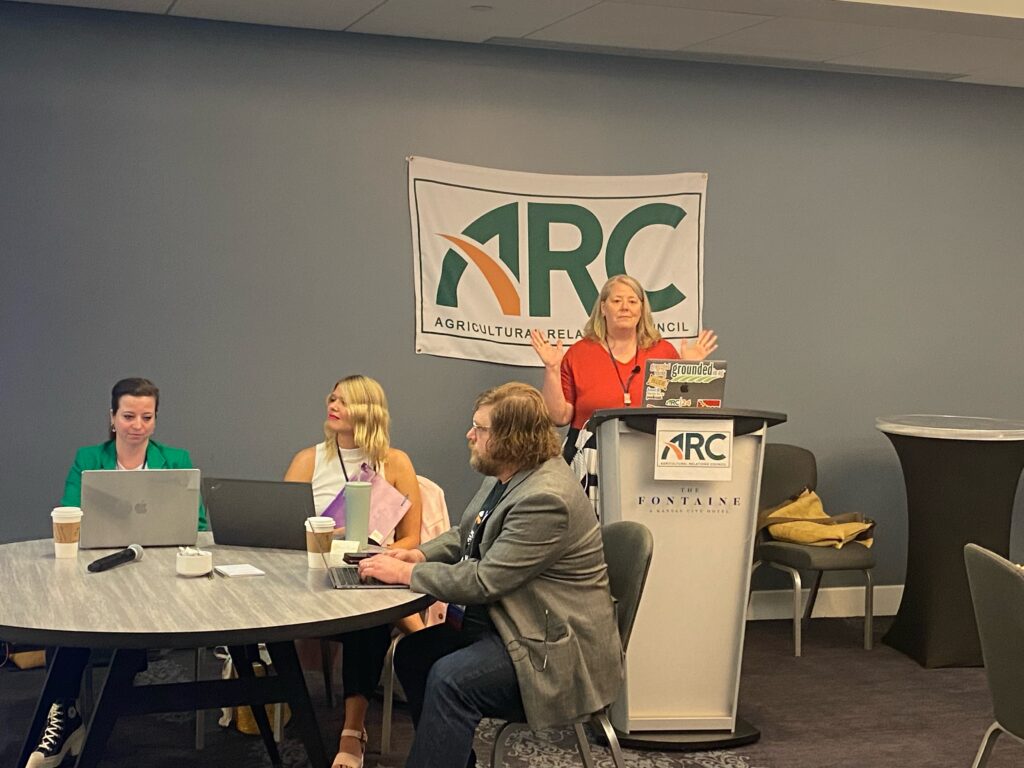
Each panelist’s use cases follow:
Casey Mills is vice president and director of social media at Swanson Russell in Omaha, Neb. He works with a range of clients and specializes in integrating AI across various platforms to enhance research, communication strategy and risk management. Mills delivered practical insights from the agency and commodity communications side, showing how AI goes beyond content generation to support strategy, risk analysis and narrative mapping in agriculture.
One standout use case was Mills’ development of a custom GPT-powered “DEFCON” risk tool for a commodity checkoff program. By integrating real-time news monitoring, custom knowledge files (on past controversies and “hot button” issues) and daily sentiment analysis, the tool helps his team assess online risk before posting anything sensitive – enabling a smarter, more informed social media strategy amid shifting online dynamics. He noted this was more critical with commodity programs with USDA (U.S. Department of Agriculture) oversight due to content review timelines. It’s a practical tool, streamlining a manual, previously stressful task, which supports team decision-making and helps avoid digital “firestorms” – a must for organizations navigating charged or controversial topics.
Another innovative use of AI Mills shared was roleplay scenario work – using bots to model what an online detractor might say (think AI “playing activist” regarding wheat or gluten). His teams then used these insights to inform proactive content and campaigns, identifying narrative gaps and opportunities. For organizations seeking to be truly proactive in digital communications – whether managing risk or preparing for a public relations (PR) crisis – Mills’ approach is a compelling template for using AI to anticipate challenges and shape more resilient strategies.
Haley Banwart brings a unique perspective from both academic research (PhD from Iowa State University) and hands-on industry experience in agricultural communications (senior content public relations strategist at Meyocks in Des Moines, Iowa). Banwart offered concrete case studies on building and leveraging custom GPTs to solve classic PR and content development bottlenecks.
In one example, Banwart described automating the creation of more than 60 localized press releases for an agricultural client using a GPT trained to generate only the variable elements needed for each localized version. This not only sped up delivery but improved accuracy and enabled PR teammates to collaborate simultaneously, freeing the team from repetitive strain and accelerating time to placement. The resulting press releases earned media placements and reflected the value of amplifying human expertise with AI precision.
Another key use case from Banwart focused on strategic messaging for a client undergoing major organizational change. By using a GPT trained on confidential input documents and internal interviews, her team could swiftly draft and refine messaging, maintain consistency over time and easily update talking points as situations evolved. She stressed that with paid versions of tools like ChatGPT, client confidentiality is protected when handled properly. Both examples illustrate how even the most customizable PR challenges – like mass personalization or complex narrative alignment – can be materially improved with thoughtfully designed AI tools and processes.
Kelly Stanze has been in the agricultural digital space since farmers first hopped on social media. Now as senior discoverability manager at Native Digital, she makes content findable on both traditional search platforms and evolving AI-driven engines. Stanze shifted the lens to external implications of AI for ag PR, especially regarding search, SEO (search engine optimization) and digital reputation management.
Stanze talked about ways Google and other search engines are increasingly inserting AI-driven answers (AI overviews) at the top of search results, changing click behavior and the rules for discoverability. In this rapidly evolving landscape, Stanze explained the vital importance of technical best practices – like structured heading tags and strategic use of schema – and why human-driven, “user-first” site design is more essential than ever. Stanze’s advice: optimize for both machines *and* people; strong technical execution also fosters accessibility and regulatory compliance.
Stanze also demonstrated, with real-time examples, how AI sourcing and citation is developing, and how AI chatbots (like ChatGPT, Perplexity and Gemini) are becoming end-user search destinations themselves. She emphasized that while traditional SEO is still crucial, organizations must broaden their strategies so their content remains findable – whether by Google, Bing or the bots. Stanze’s perspective is especially valuable for anyone responsible for brand reputation, crisis communications or digital campaign delivery in ag.
Note from author:
I received a lot of help writing this article from Castmagic.io, a subscriber AI tool that lets users upload audio or video to convert it into text. You can see examples of how it wrote summaries, bios, captured quotes and vocabulary, etc. on this shared page. Check the headings for transcript and AI content. If you are you interested in signing up, go to: https://get.castmagic.io/agrelations.
Kansas City gears up for its place on the World Cup stage
By Deron Johnson, Curious Plot
The equivalent of six Super Bowls in 30 days: That’s what leaders are preparing for as Kansas City enters the critical “one year to go” final stretch ahead of the 2026 FIFA World Cup.
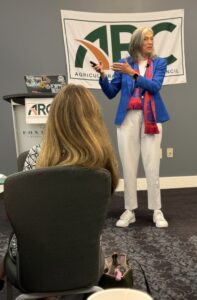
Attendees of the ARC Annual Meeting in Kansas City, Mo., got the inside scoop on all of the details from Tracy Whelpley, director of regional impact for KC2026, a nonprofit organization overseeing strategy and delivering host city duties for FIFA World Cup 26. Kansas City will host six matches with Group Stage matches on June 16, 20, 25 and 27; a Round of 32 match on July 3; and a Quarter Final match on July 11.
Kansas City is one of 16 cities to host 2026 World Cup matches after the United Bid, a joint effort by Canada, Mexico and the United States, was named host by FIFA in 2018. Kansas City then competed with dozens of other North American cities to be selected as an official FIFA 2026 host city.
Kansas City is the smallest of the 16 host cities, which include the Canadian cities of Toronto and Vancouver; the Mexican cities of Guadalajara, Mexico City and Monterrey; and the U.S. cities of Atlanta, Boston, Dallas, Houston, Los Angeles, Miami, New York/New Jersey, Philadelphia, San Francisco Bay Area and Seattle.
Whelpley attributed Kansas City’s successful bid to a simple factor: “It was because of how badly we wanted it.”
While the dates of the six Kansas City matches – including the coveted Quarter Final – are known, the teams are not. The “draw” will be announced in December – each of the 16 participating cities will be assigned a group of three teams to compete in the Group Stage matches.
Kansas City’s matches will be hosted at Kansas City Stadium, better known to most people as GEHA Field at Arrowhead Stadium, home of the Chiefs. Whelpley explained that under strict FIFA rules, every host city must deliver a “clean” stadium – which means no branding. So, for the World Cup matches, there will be no reference to GEHA, Arrowhead, the Chiefs or any other sponsor of the Super Bowl-winning team. Whelpley added that the cost to tailor the stadium will be $42 million.
Whelpley shared an astounding and dizzying set of other facts and numbers in her presentation to ARC members:
- Kansas City is expected to see an influx of 650,000 visitors over the course of the 30-day World Cup window. Each visitor is expected to stay for an average of 10 days.
- Collectively, the event is expected to deliver $653 million in direct impact to Kansas City with:
- $179 million in direct personal income generated;
- 73,592 people employed in full- or part-time roles supporting the event; and
- The equivalent of 6,746 annual full-time employees.
- To qualify for the host city bid, Kansas City had to guarantee the availability of 55,000 hotel rooms within two hours of the metro.
- Kansas City will operate the FiFA Fan Fest near the city’s World War I Memorial for the duration of the event, which is expected to draw 20,000-100,000 people per day.
- The city will also host KCHouse, a platform for global business engagement during the World Cup. Specifically, the venue will explore the region’s business strengths in areas including agriculture and animal health.
“Agriculture is very much at the table with World Cup in Kansas City,” Whelpley said.
Articulating the value proposition
KC2026 will plan, construct and implement all aspects of Kansas City’s largest sports and fan engagement event in the region’s history. Here’s how the organization has articulated its value proposition:
PURPOSE:
Maximize the positive momentum created by the 2026 FIFA World Cup to unite, strengthen and elevate the region, and propel KC to new heights in the nation and the world.
PILLAR #1: DELIVER KANSAS CITY MAGIC
Create a safe, seamless, best-in-class and distinctly Kansas City experience for the fans, players and media, which fully engage the area’s communities in the process and encourage visitors to return.
PILLAR #2: RISE ON THE WORLD STAGE
Showcase to a global audience the vitality of KC’s economy, the richness of KC’s culture and, most importantly, the welcoming character of KC’s people – firmly establishing KC as the heart and capital of the Midwest.
PILLAR #3: LEAVE A LASTING LEGACY
Generate sustained and long-term cultural and economic impacts in the region’s infrastructure, businesses, institutions and brand, while building KC area people’s capability and confidence to take on the opportunities and challenges of the future.
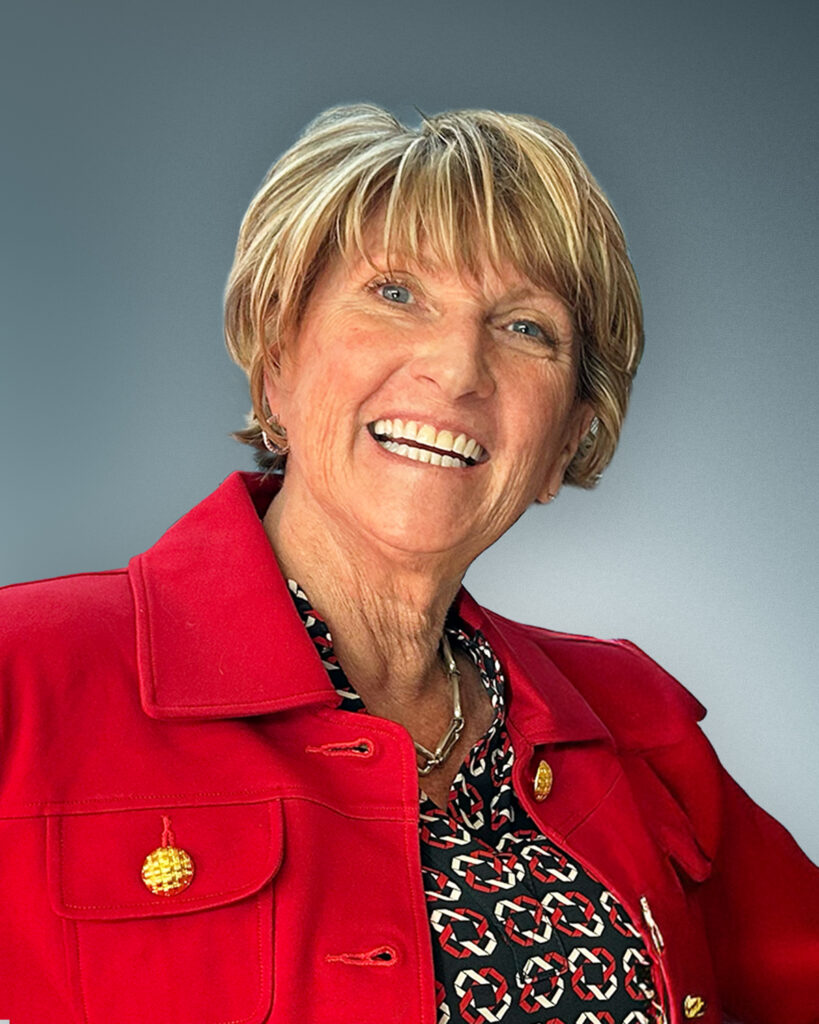
Forget silos: Why true audience connection demands cross-brand collaboration
By Lori Hallowell, ARC President
(Originally, Lori posted this message on Linkedin.)
As a PR practitioner, you learn how to build narratives. As a rancher, you live them. For me, authenticity wasn’t a tactic; it was the life I lived before I ever wrote a press release.
That intersection has shaped every part of my career – as well as my home life – and it shaped one of the boldest moves we made at CattleCon this year: bringing four major agriculture brands together to tell a single, unified story.
Traditionally, clients at events like this would pursue independent publicity plans. Separate media activations. Separate trade show booths. Separate storylines. Separate strategies. But when I looked at the event through the lens of a rancher – the real end user – it was clear that this siloed approach didn’t match how the beef industry actually works.
In ranching, we don’t look at cattle production as a series of isolated decisions. We see an ecosystem – where animal health, nutrition, equipment and pasture management are all intertwined. A successful business year and generational business succession depends on how well each piece fits together.
So, I asked a question that didn’t come from a PR playbook; it came from the pasture.
What if we told the full story together?
At first, the idea was met with hesitation. Brands are conditioned to protect their turf. Legal departments could bristle. Client teams could be worried about competitiveness (and breaching information firewalls). But here’s what I know from lived experience: on a ranch, neighbors help neighbors. Competitors collaborate when it serves the greater good. And if we could tap into that authenticity – if we could show how the real world connects these brands – we could create a story bigger than any one company could tell alone.
We built our event around the “stocker phase” of cattle production, a pivotal stage of beef production that every brand in the group touched in some way. Corteva led with grassland management, John Deere followed with equipment innovations, Zinpro added the importance of mineral nutrition, and Zoetis rounded out the story with animal health strategies. No hard product pushes. No corporate walls. Just a narrative that mirrored how ranchers actually operate: interconnected, cooperative, focused on the health and future of their animals and land.
It wasn’t just the storyline that mattered; it was the spirit.
We stripped away polished corporate trappings. Instead, we had Tex-Mex food, margaritas and barstools instead of stages. We created a setting that felt more like a neighbor’s backyard after a long day of cattle work, rather than a typical trade show event. Because out in cattle country, that’s how real deals are made – over handshakes, straight talk and trust.
That authenticity carried over to the media, too. Reporters showed up in full force, focused not on the novelty of competitors sharing a stage, but on the strength of the collective story. And here’s the thing: nobody fought for the spotlight. Clients embraced the bigger mission. They got excited about being part of something that actually reflected the way their customers – our ranchers – think and operate.
When you live the reality of an industry, you gain access to insights that textbooks and case studies simply can’t teach you. You understand not just what to say, but how it feels to live the story you’re telling.
In PR today, that kind of lived-in understanding is rare; but it’s becoming more essential. As audiences grow more sophisticated and skeptical, they can spot inauthenticity a mile away. They don’t want slick brand speeches. They want stories that sound, look and feel real. Stories that recognize the full ecosystem they live in – not just a single company’s corner of it.
That’s why I believe the future of external communications isn’t just perfected campaigns or sharper taglines. It’s a complete reframe. It’s about thinking like the audience – not the agency. When we broke down the walls between brands at CattleCon, we weren’t just doing something new for publicity. We were honoring the way real ranchers, real neighbors and real communities have always worked – together.
You must be willing to break a few “rules” because you know, deep down, that the real story – the one people will trust and share – lives where life actually happens. And for me, that’s not a sterile strategy I learned sitting in a boardroom. That’s the real future of our business. More open gates. Fewer fences. Better stories.